


Poppy Playtime Chapter 1
4.33.59K Reviews
App Specs
- Version
- 1.0.18
- Updated On
- License
- $2.99
- Downloads
- 1,000,000+
- Developer
- Mob Entertainment
- Categories
- Adventure
- Platform
- Android, iOS
Screenshots
 Analysis by AppCompare
I tend to enjoy horror games most when the tension comes from exploring and thinking, not from constant action. Poppy Playtime Chapter 1 leans into that slower kind of unease: it asks you to look closely at an abandoned toy factory, work out how its spaces fit together, and stay alert while the setting grows more threatening. That makes it a better fit for a focused play session than for someone who just wants a quick, carefree game between errands.
It is an adventure game from Mob Entertainment, and the mobile version costs $2.99. The game is rated Teen, so I would treat its horror as eerie and suspenseful rather than assume it is suitable for every younger player. Its 4.4 average from around 41,000 ratings and more than a million installs suggest that many players have given it a try, but those numbers do not tell you whether its particular mix of puzzles and scares will suit you.
Where the factory can slow you down
The most likely sticking point is not a complicated menu; it is figuring out what the environment is asking you to notice. The factory’s objects and spaces are part of the puzzle language, so rushing from one room to the next can make a task feel harder than it is. I get more out of pausing to scan a room and consider what I can interact with than repeatedly trying the same action in the same place.
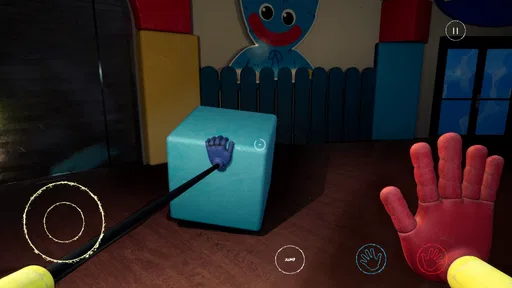
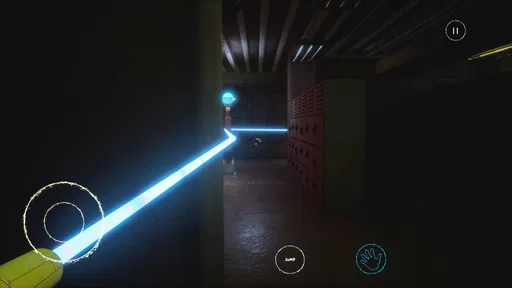
The GrabPack is central to that process. It lets you reach and manipulate objects, so when progress stalls, I would first reconsider how the tool might connect the room’s visible elements rather than assume the game has stopped responding. A useful habit is to take each puzzle in small steps: identify the object or mechanism that seems relevant, test a plausible interaction, then check what changed before trying another approach. That keeps experimentation purposeful instead of turning it into random button pressing.
Huggy Wuggy adds a different kind of pressure. When the factory feels quiet, I find it tempting to linger and inspect every detail, but the sense that danger may be nearby makes that less comfortable. If you are easily rattled by sudden tension, play when you can give the game your attention rather than trying to follow it while distracted. That is a practical comfort tip, not a promise that every moment will be frightening in the same way.
Before settling in to play
The mobile game is currently at version 1.0.18 and requires Android 5.0 or later. Before paying, I would check that your device meets that minimum and that you are choosing the mobile game deliberately: this is a paid purchase, not a free sample. The game was released on February 16, 2022, and its store summary identifies it as the official mobile game, but the thing that matters most for your decision is whether you want a compact, eerie puzzle adventure on your phone.
For a smoother session, I would close anything that is making your device feel sluggish, make sure the game has room to run, and start somewhere you can concentrate. Those are sensible general checks, not special fixes for a known fault. If an interaction seems unresponsive, give yourself a moment to distinguish between a missed puzzle clue, an awkward touch input, and a device that is struggling; changing several things at once makes it harder to tell what helped.
Worth Reading Before You Choose

EA SPORTS FC Mobile 26 Is a Bigger Football Game, but It Takes Time

Flipboard Shows What News Apps Must Do Beyond the Feed

Switching to Android Auto Means Rethinking Your Driving Routine

Google Calendar Makes a Crowded Week Easier to Manage

Ludo King Makes the Most of the Minutes Between Plans

Baby Panda World Brings Quick Play to Modern Phones, but Its Game Library Feels Busy
Exploring the Abandoned Toy Factory
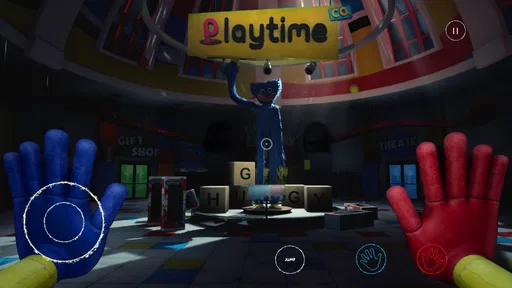
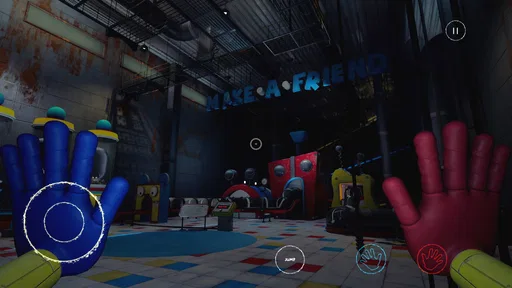
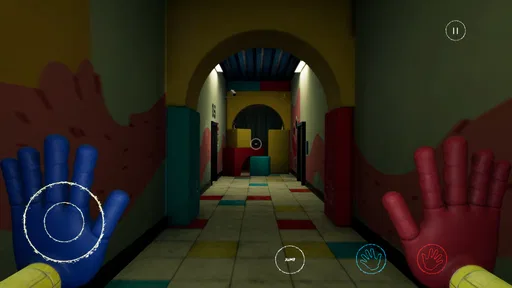
The premise of Poppy Playtime Chapter 1 is pretty intriguing. You find yourself in an abandoned toy factory that’s been left to decay. The atmosphere is eerie, and the graphics do an amazing job of bringing that creepiness to life. I mean, who doesn’t find old toys just a little bit unsettling?
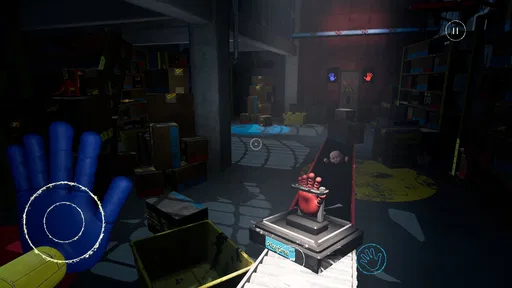
As you explore, you’ll encounter various puzzles that require a bit of brainpower to solve. The game does a great job of balancing challenge and fun, keeping you on your toes without becoming frustrating. The controls are intuitive, so you won’t find yourself fumbling around trying to figure out what to do next.
Meet Huggy Wuggy
One of the standout characters in the game is Huggy Wuggy, a larger-than-life toy with a sinister edge. The design of Huggy Wuggy is both charming and unsettling, making him a memorable antagonist. As you navigate the factory, you’ll often find yourself glancing over your shoulder, wondering if Huggy is lurking in the shadows. It’s this kind of tension that makes the gameplay so engaging.
The sound design is another highlight. The eerie music and sound effects pull you into the world, creating an immersive experience that’ll have you jumping at every creak and groan. It’s clear that a lot of attention to detail went into making sure players feel the suspense with every step.
Engaging Puzzles and Gameplay
The puzzles in Poppy Playtime Chapter 1 are varied and cleverly designed. They’re not just thrown in for the sake of it; each puzzle feels like it belongs in the world and contributes to the overall narrative. Solving them gives you a sense of achievement and drives the story forward, which is always a plus in my book.
One of the coolest features is the GrabPack, a tool that allows you to interact with the environment in unique ways. You’ll use it to grab and manipulate objects, and it’s essential for solving puzzles and progressing through the game. It’s a neat little gadget that adds an extra layer of depth to the gameplay.
Atmosphere and Visuals
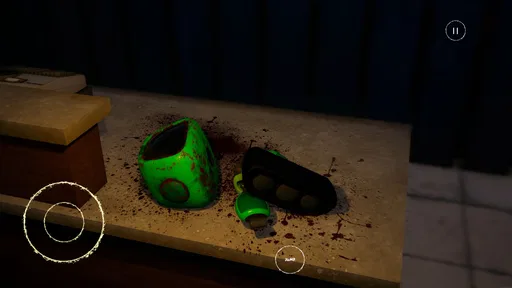
Visually, the game is stunning. The attention to detail in the environment is impressive, with each area of the factory telling its own story. The lighting effects create a moody atmosphere that perfectly complements the horror elements. It’s easy to get lost in the world of Poppy Playtime, and the visuals play a big part in that.
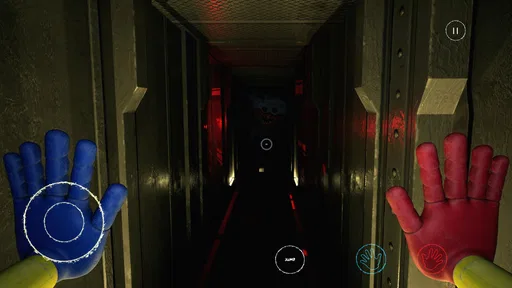
The developers have done an excellent job of creating a cohesive and believable world. It’s the little touches, like the flickering lights and dusty corridors, that make you feel like you’re really there, exploring this forgotten place.
Getting unstuck without spoiling the exploration
When I hit a puzzle snag, I try not to search for a full solution straight away. Instead, I retrace the room in a deliberate loop: look at the machinery, check nearby objects, then revisit the clue or mechanism that first caught my attention. In a game built around environmental problem-solving, that small reset often helps me notice a connection I missed while focused on one object.
It also helps to separate puzzle confusion from control confusion. If the intended target seems clear but an action does not register, I pause and try a careful, single interaction rather than tapping rapidly. On a phone, hurried input can make it hard to tell whether I chose the wrong target or simply did not give the interaction enough attention. This approach is useful without assuming that every slow response is a technical problem.
I would avoid playing in a noisy place if you care about the atmosphere. The sound design is part of how the game builds unease, and background noise can flatten that effect or make a cue easy to miss. A quiet evening at home is a more natural fit than a crowded commute; the latter can still work if you mainly want to solve puzzles, but it is not where I would choose to experience the suspense for the first time.
A phone-sized horror session, with a few trade-offs
For an everyday scenario, imagine having a free stretch after dinner and wanting one game that gives you something to think about without asking you to learn a sprawling set of systems. This is where Chapter 1 makes sense: settle in, explore the factory, and stop when you have reached a natural pause. I would not begin it when I have only a minute to spare, because its mood depends on paying attention and remembering what the environment has shown you.
Compared with many adventure games that emphasize open exploration or a large collection of activities, this one is more tightly focused on its factory setting, puzzles, and horror tone. That focus is a strength if you want a distinct atmosphere and a clear reason to inspect the rooms. It is also a limitation if you prefer a broad world to roam, frequent rewards, or action that keeps moving without pauses for observation. A lighter, less frightening puzzle game would be a better choice for casual play or for someone who dislikes being watched and startled by the setting.
The price is another practical trade-off. At $2.99, I would think of it as a small paid game to choose because its particular style appeals to you, not as something to install casually and forget. If you enjoy eerie environments and puzzles, that may feel reasonable; if you are uncertain about horror or only want a short distraction, I would look for a different kind of game before buying. The Teen rating is worth keeping in mind when deciding whether the tone is appropriate for a younger player in your household.
When a problem may be outside the game
If the game appears to pause, close unexpectedly, or respond inconsistently, I would start with basic checks rather than immediately conclude that a puzzle is broken. Confirm that the device meets the Android 5.0 minimum, close other demanding apps, and reopen the game. If the trouble happens only during one interaction, return to the room and carefully try the relevant object again; if the whole device is struggling, the cause may be broader than the game itself.
For a purchase or installation issue, I would check the store account and the device’s available space before repeating the same attempt. Those checks are useful across mobile games and do not imply a specific fault with this one. I also recommend changing one thing at a time: it is easier to learn whether a restart, freeing space, or a more careful input made a difference when you do not change everything at once.
One question players often have is whether this is an easy game to play in brief bursts. I find it possible to stop between sections, but the clues and atmosphere work better when I can remain engaged for a while. Another is whether it is a good pick for someone who wants horror without much puzzle-solving; I would say no, because working through the environment is a central part of the appeal. If puzzles are the part you enjoy, the slow investigation gives the scares room to build rather than interrupting them with nonstop action.
Final Thoughts on the Frightening Fun
Overall, Poppy Playtime Chapter 1 is a must-play for fans of horror and mystery games. It’s got everything you’d want: a gripping story, challenging puzzles, and an atmosphere that keeps you on the edge of your seat. The game manages to be both fun and terrifying, which is no easy feat.
If you’re looking for a game that will give you chills and thrills, while also testing your puzzle-solving skills, then this is definitely worth a download. Just remember to keep the lights on and maybe have a friend nearby—Huggy Wuggy might just make a surprise visit!
Who I would recommend it to
I would recommend it to a friend who likes piecing together environmental clues and wants horror to shape the whole mood, rather than appear as a brief extra. It is especially suited to someone willing to slow down, look around, and let an unsettling room do its work. If you enjoy discussing a puzzle or comparing interpretations after playing, the factory gives you plenty to notice without requiring the game to be a large, open-ended adventure.
I would skip it if you want a cheerful pick-up-and-play game, dislike tense encounters, or find touch-based interaction frustrating when precision matters. It is also not my first choice for a very young player simply because its Teen rating and threatening atmosphere deserve consideration. For those players, a gentler puzzle adventure is likely a better match; for a horror fan who enjoys methodical exploration, this is a focused option with a memorable setting.
My practical verdict
The part I value most is how the factory itself supports the play: its worn rooms, sounds, and objects make exploration feel purposeful, while the GrabPack gives puzzle-solving a distinctive hands-on angle. The main trade-off is that the same deliberate pace can feel slow if you want constant action, and the frightening tone is not something I would recommend as background entertainment. I would play when I can give it attention, use a careful room-by-room approach when I get stuck, and choose another genre if I want something relaxing.
My overall recommendation is to buy it only if that combination of eerie exploration and environmental puzzles sounds appealing. Mob Entertainment’s mobile adventure has a clear identity, and its current version is 1.0.18, but no version label can decide whether its scares suit your taste. If you want a compact horror experience to focus on, I think it earns consideration; if you would rather avoid tension or spend your time in a more expansive adventure, there are better fits for you.
Pros
- Engaging storyline with immersive gameplay.
- Unique puzzles keep players intrigued.
- High-quality graphics enhance experience.
- Atmospheric sound design adds to suspense.
- Simple controls make it easy to navigate.
Cons
- Short gameplay duration for some players.
- Occasional lag on older devices.
- May be too scary for younger audiences.
- Limited replay value after completion.
- Some players experience minor bugs.
FAQs for Poppy Playtime Chapter 1
What is Poppy Playtime Chapter 1 about?
Poppy Playtime Chapter 1 is a horror puzzle-adventure game where players explore an abandoned toy factory. The main objective is to uncover the mystery behind the strange occurrences in the factory and survive the terrifying creatures that lurk within. It's a gripping experience for those who enjoy suspenseful storytelling and challenging puzzles.
Is Poppy Playtime Chapter 1 suitable for all ages?
Poppy Playtime Chapter 1 is not suitable for young children due to its horror themes and jump scares. The game is designed for mature audiences who are comfortable with suspenseful and eerie environments. Parents should review the content and themes to decide if it is appropriate for their children.
What are the system requirements for Poppy Playtime Chapter 1?
To run Poppy Playtime Chapter 1 smoothly, ensure your device meets the minimum system requirements. Typically, it requires a modern operating system, adequate RAM, and a decent GPU for optimal performance. For mobile devices, ensure you have sufficient storage and a compatible OS version to enjoy a seamless experience.
How challenging are the puzzles in Poppy Playtime Chapter 1?
The puzzles in Poppy Playtime Chapter 1 range from moderately challenging to complex, requiring players to think critically and pay attention to their surroundings. They are integral to the gameplay, providing a rewarding experience for those who enjoy problem-solving. The difficulty increases as you progress, keeping players engaged and on their toes.
Is there any multiplayer mode in Poppy Playtime Chapter 1?
Poppy Playtime Chapter 1 is a single-player experience focused on delivering a captivating and immersive narrative. The game is designed to be played solo, allowing players to fully immerse themselves in the story and atmosphere without any multiplayer distractions. Future updates or sequels may explore multiplayer options.


